Managing Sickle Cell Anemia
One of the ways a sickle cell patient can manage the disease is by staying hydrated. Here are five hydrating fruits to help the sickle cell patient.
Introduction
Thankfully, most of us have learned the issues surrounding sickle cell anemia.
We know that sickle cell disease affects red blood cells and is the result of a mutation of genes in a bid to fight malaria.
This change (mutation) caused a deformity in one of the proteins that carry oxygen around the body.
Instead of being round like a circle, the protein is rather shaped like a sickle (curved).
This curved shape of the protein hampers its movement around the body. It easily gets stuck in the veins and dies off much quicker than the normal ones.
It also does not carry as much oxygen as the body requires to function. If you are a patient, the unavailability of oxygen makes you tired all the time.
The Importance of Hydration
When the sickle-shaped proteins are deprived of water, they get sticky and sluggish.
They don’t move around the body efficiently as they are stuck to one another. Blood cells can pool around several areas in the body. When this happens, a patient experiences excruciating pain.
The above underscores the reason why it is important for a sickle cell patient to stay hydrated ALL THE TIME.
Hydrating Fruits
Carrying bottles of water everywhere we go can be such a drag. However, it is extremely important to drink water and lubricate the cells to keep them moving. The consequence of the opposite is pain so dire, that only morphine injections can subdue it.
This is where fruits come in handy! There are several fruits whose water content is plentiful enough to provide the required water intake for sickle cell patients. And these fruits have a lot of vitamins and other nutrients which is a HUGE added advantage.
So, here is a list of 5 Hydrating Fruits That Will Help Sickle Cell Patients
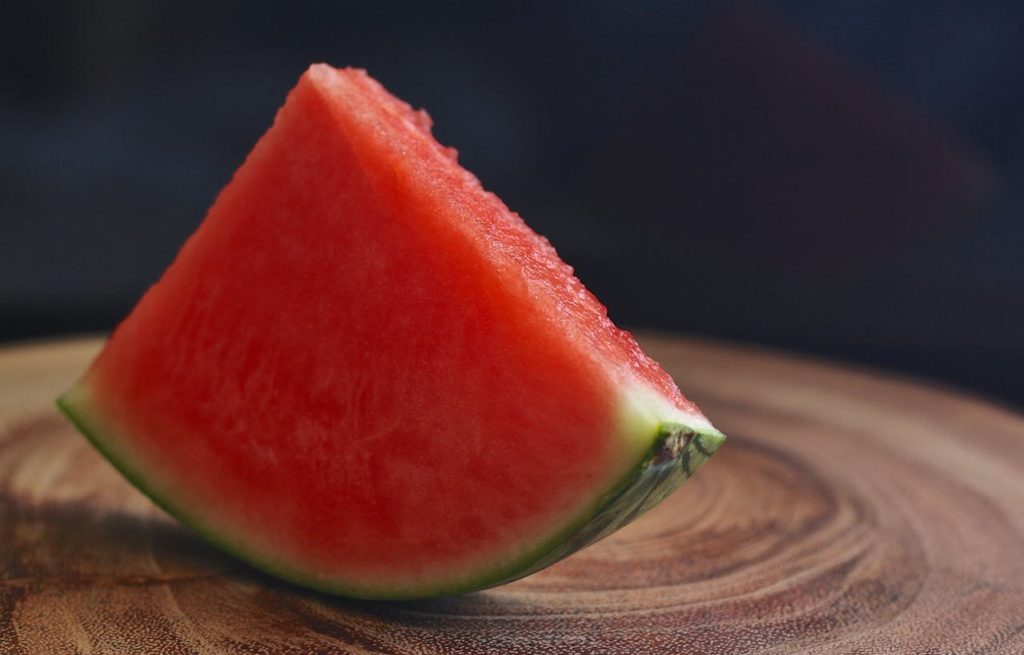
1. Watermelon
It’s already in the name! This vibrantly colored fruit is a favorite of all age groups and even our furry friends. Children, in particular, love its juicy and filling pulp. It is soft, easy to eat, and almost 95% water. More than that, watermelon is rich in Vitamins A and C, and other antioxidants.
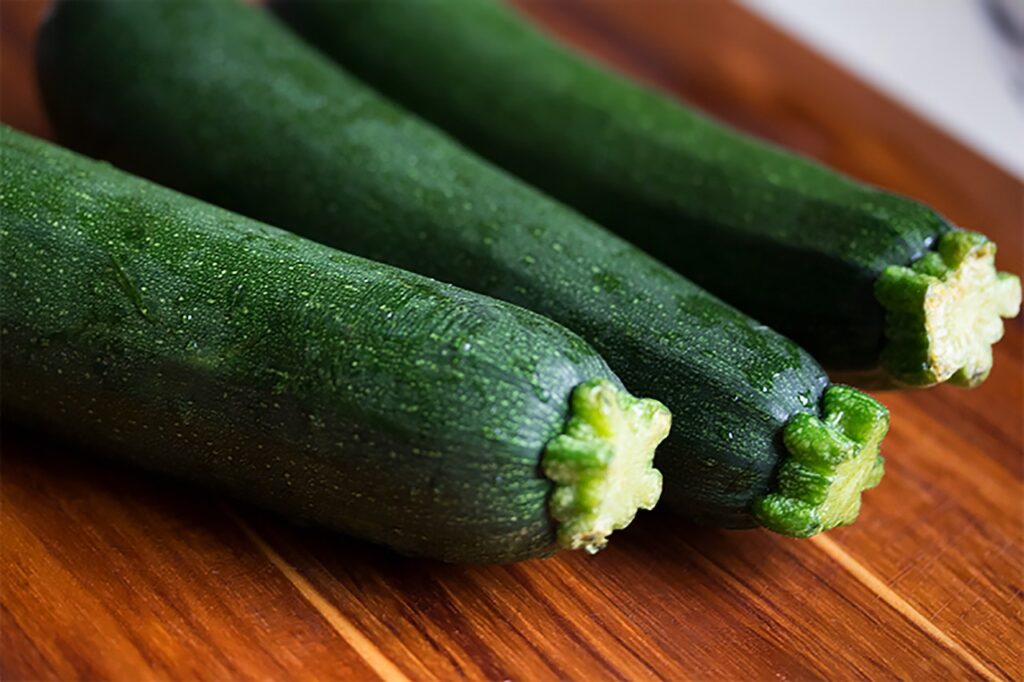
2. Cucumber
Cucumbers have a lot of water. They may not be the first choice of younger people but they can get used to it. Cucumbers are a convenient snack to have on the go. They are not as big as watermelons and don’t require much preparation, just wash and crunch! Cucumbers have many vitamins including the anemia-fighting Vitamin C.
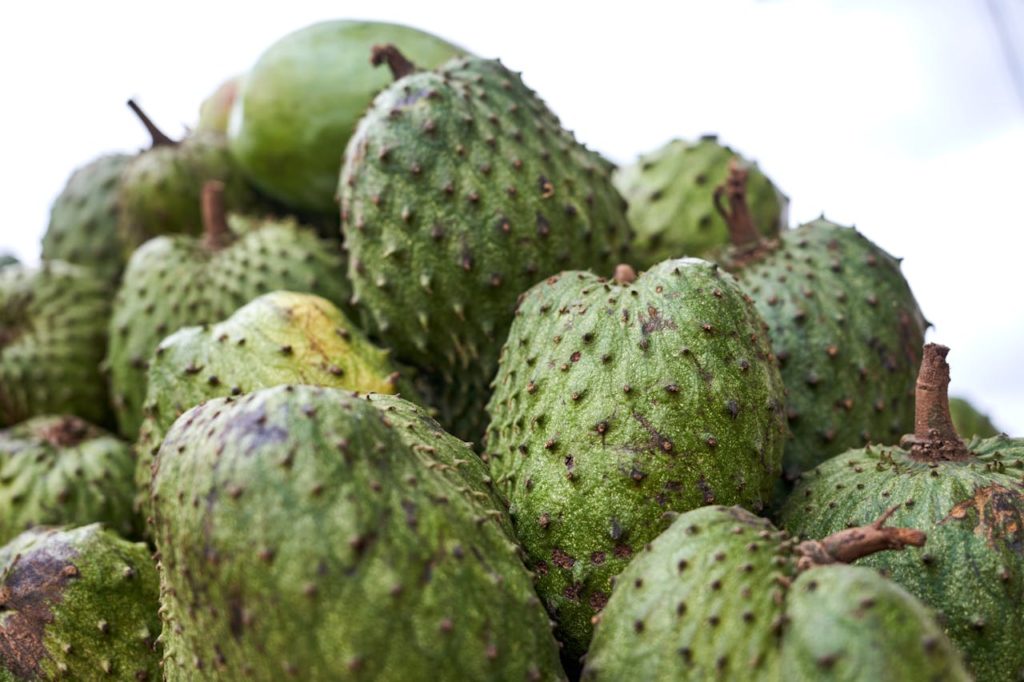
3. Soursop
This fruit is ice cream growing on a tree! It’s called soursop but its creamy pulp is nothing but sour. The pulp is cool as if refrigerated and the water content is high. More importantly, this small-sized fruit tree that you can grow in your compound, is a good source of antioxidants and is widely believed to have much more crucial medicinal value.
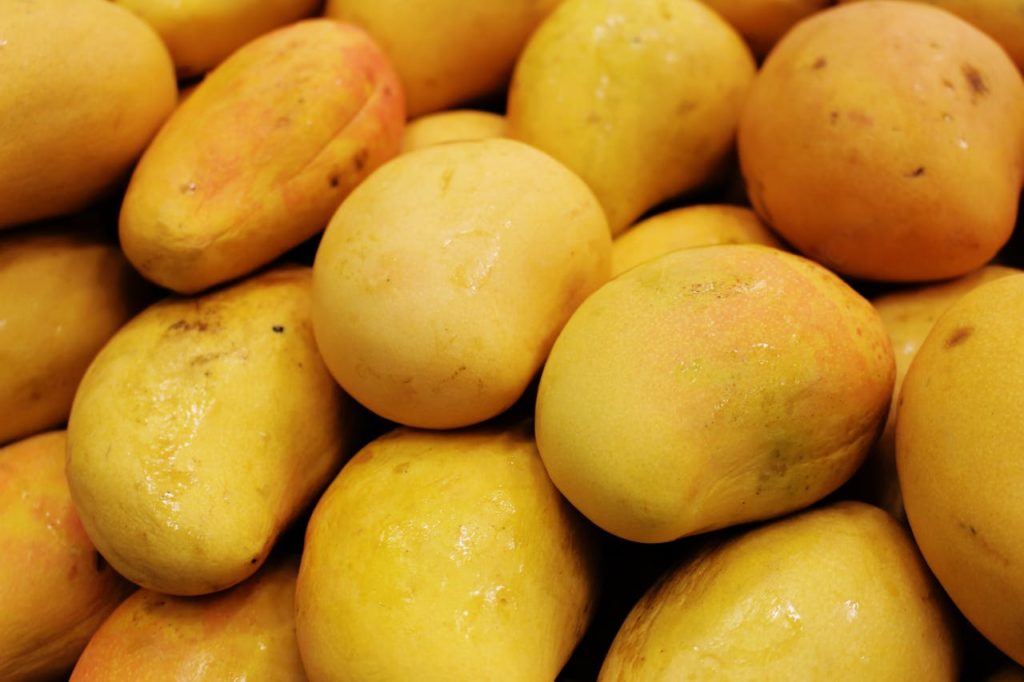
4. Mango
Who doesn’t love the good old Mango? The sturdy nature of the mango tree has made it thrive in several parts of the world. It’s a common sight around the neighborhood as there are varieties that do not grow inconveniently big.
The pulp of the mango is both appealing visually and to taste. To crown it all, mangoes have folate, which helps in the production of red blood cells. This fruit is also rich in Vitamins C, K, and E, and water!
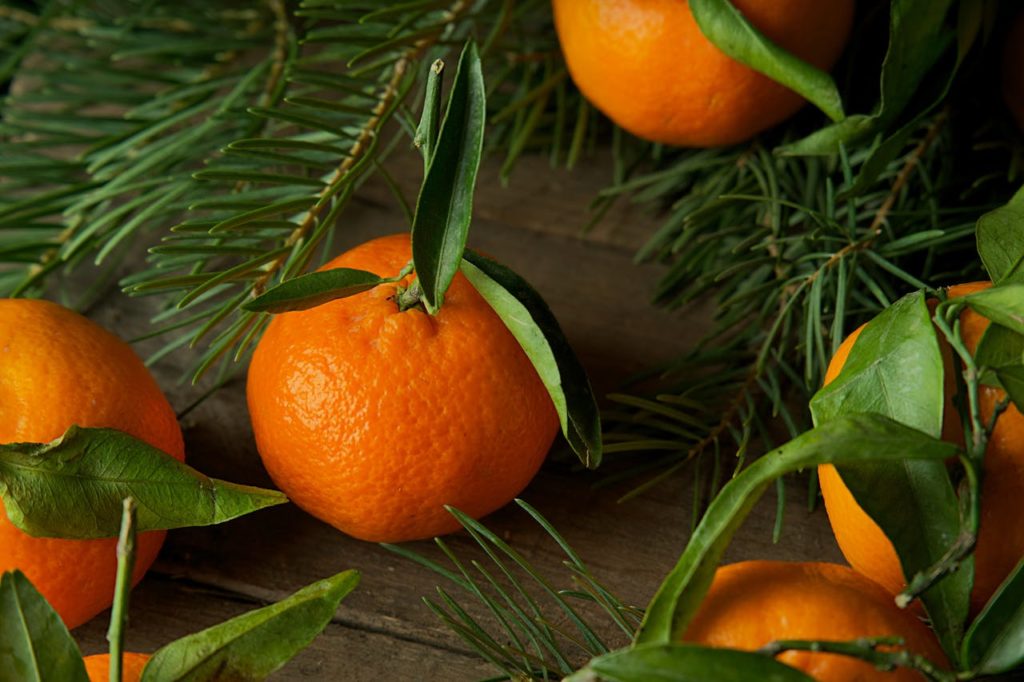
5. Orange
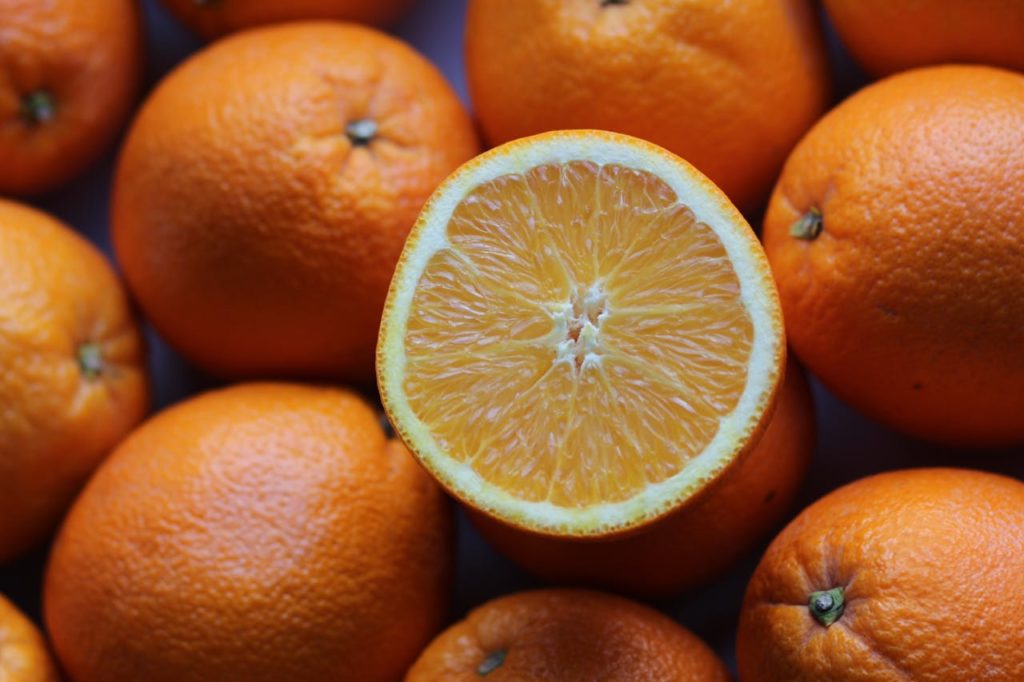
The orange fruit is the MVP on this list. This is because it checks all the boxes for the sickle cell patient.
Like the mango, oranges easily adapt and thrive in most environments. The fruits are a common sight around the neighborhood, and the trees are not unusually large. This means that gardens can host this tree without turning the area bushy.
Oranges are very important because they provide our required daily intake of Vitamin C. Vitamin C is critical because it helps the body to absorb iron. And for the sickle cell patient, orange is even more crucial to their welfare. This is because it provides folate, a major ingredient required for building red blood cells.
Honourable mention
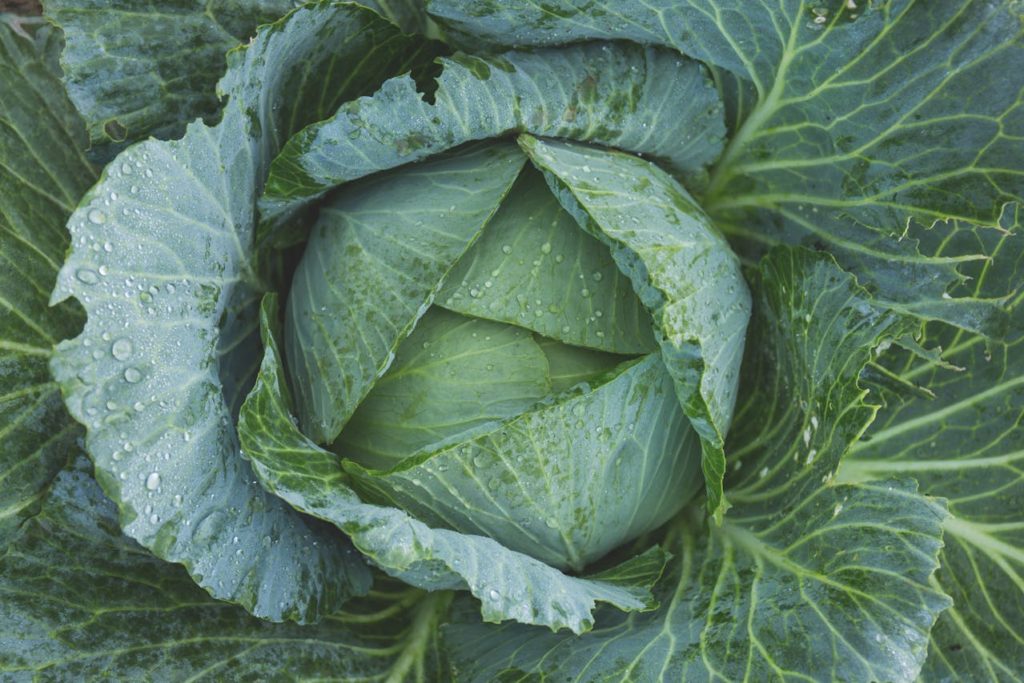
Cabbage
Cabbage is a vegetable. However, it contains a lot of water.
But that is not all, cabbages have Vitamin C as well as the all-important folate.
In Summary
We have highlighted 5 different hydrating fruits that can help the sickle cell patient.
Almost all the fruits on this list are convenient to eat on the go. They are also tasty and easy to get as they are always in season.
When you eat these fruits regularly you will meet the desired water intake goal, and avoid the excruciating pain that comes with dehydration.